
Beginner's Guide to Choosing the Right RV Caravan for Your Lifestyle (2026 Edition)
Buying your first RV caravan is exciting, but it's also one of the biggest outdoor lifestyle decisions you'll make. With dozens of floorplans, towing requirements, and power setups to consider, it's easy to feel overwhelmed before you've even hit the road. This guide breaks down everything a beginner needs to know in 2026 — from choosing the right type of caravan to understanding today's off-grid technology trends — so you can buy with confidence instead of guesswork.
Why 2026 Is a Great Year to Buy Your First RV Caravan
Market conditions matter more than most first-time buyers realize. Heading into 2026, RV inventory has grown while new sales have softened, which has shifted negotiating power toward buyers. Used RV prices have also cooled off compared to the inflated post-pandemic years, meaning solid, well-maintained units are more affordable than they've been in a while. If you've been on the fence, this is a favorable window to start shopping — just go in informed rather than rushing the first deal you see.
Step 1: Match the Caravan Type to Your Travel Style
Not all RV caravans are built for the same purpose. Before comparing brands or floorplans, narrow down the category that fits how you'll actually use it.
Travel Trailers — The most popular entry point for beginners. They're towable, come in a huge range of sizes, and don't require a dedicated RV-specific vehicle if your tow rig is properly rated. Great for weekend trips and growing families.
Lightweight Travel Trailers (Under 5,000 lbs) — This is one of the fastest-growing categories right now. Rising fuel costs and a desire to avoid buying an oversized truck have pushed buyers toward smaller, more efficient trailers that a mid-size SUV or half-ton truck can tow comfortably.
Pop-Up and Expandable Campers — Ideal for couples or minimalists who want an easy-to-store, budget-friendly option with a smaller road footprint.
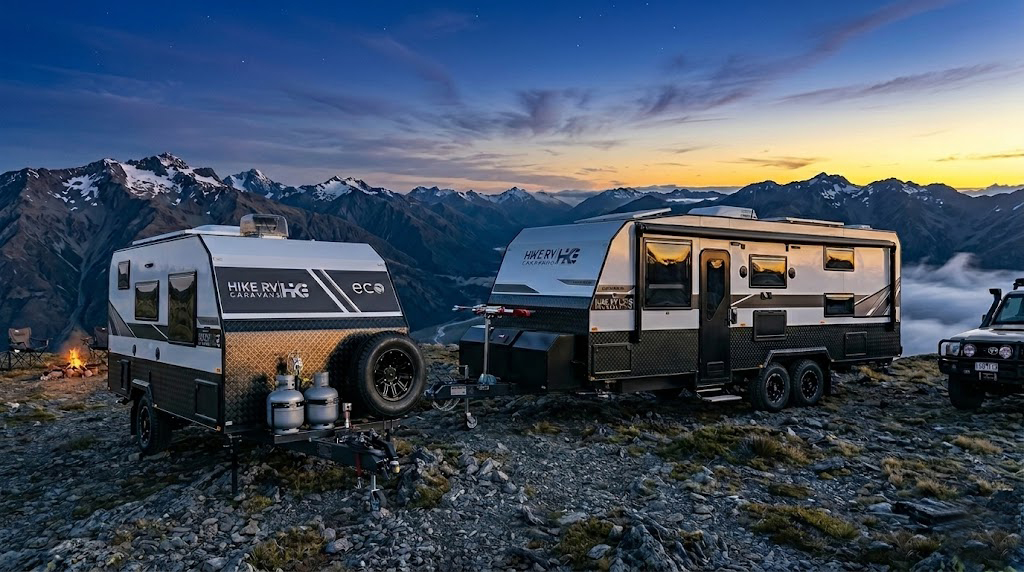
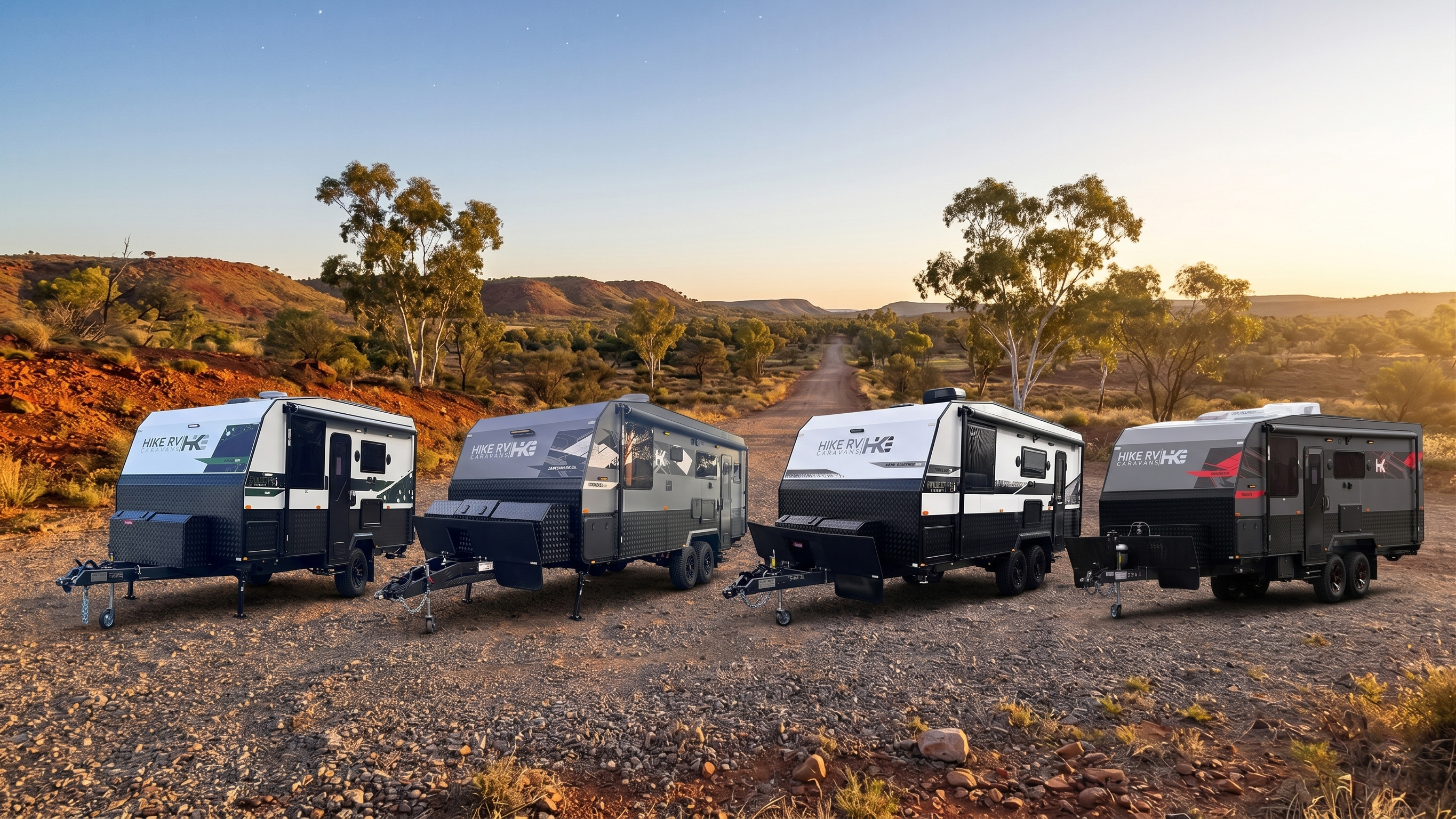
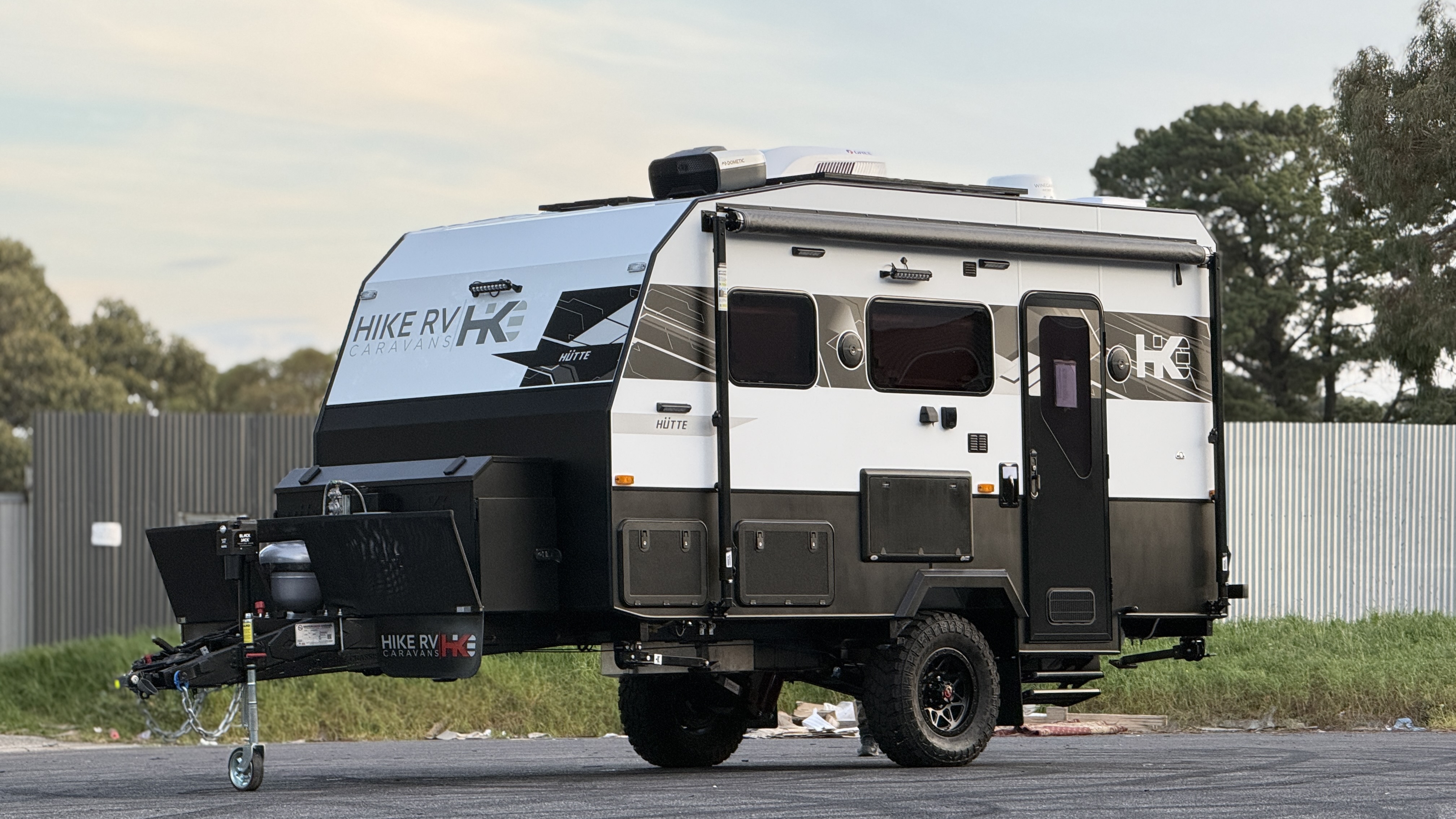
Off-Road and Overlanding Caravans — Built with reinforced suspension, rugged chassis, and off-grid-ready systems for travelers chasing remote terrain rather than paved campgrounds.
Class A, B, and C Motorhomes — Self-contained motorized units. Class A offers the most living space but comes with higher fuel costs and parking challenges. Class B (camper vans) are nimble and easy to drive daily. Class C sits in between, often the best balance for families new to motorized RVing.
Step 2: Understand Your Towing Capacity Before You Fall in Love With a Floorplan
One of the most common beginner mistakes is choosing a caravan first and figuring out towing logistics later. Instead, start with your tow vehicle's rated towing capacity, then shop within that number. As a rule of thumb, a mid-sized SUV typically handles trailers under roughly 3,500 lbs, while families needing a 16–22 foot trailer usually need a half-ton or heavier truck. Also factor in tongue weight, payload capacity, and whether you'll need a weight-distribution or sway-control hitch — wind-related trailer sway is one of the most frequently reported issues among new owners.
Step 3: Decide How "Off-Grid Ready" You Need to Be
Off-grid capability has moved from a luxury add-on to a mainstream expectation. If you plan to camp at developed campgrounds with hookups, you can prioritize comfort features over power independence. But if boondocking, dispersed camping, or full-time travel appeals to you, pay close attention to:
Lithium (LiFePO4) battery banks — now standard on many mid-range and higher trims, offering longer life and faster charging than older lead-acid setups
Factory-installed solar packages, commonly in the 200–400 watt range, with the option to expand
Inverter capacity, since a small inverter won't run air conditioning or major appliances
Freshwater and gray/black tank capacity, which matters far more for off-grid stays than for campgrounds with full hookups
Step 4: Consider Simplicity Over Size
A notable shift in 2026 is the rising popularity of "no-slide" floorplans. Slide-outs add interior space, but they also add weight, maintenance complexity, and potential leak points. Many new buyers are prioritizing simpler, lighter builds that are easier to maintain and tow, especially for weekend and seasonal use rather than full-time living.
Step 5: New vs. Used — What Actually Matters for Beginners
Used RV pricing has become more reasonable, making late-model used units an appealing option for first-time buyers who want proven features without paying full retail. If you're shopping used, inspect for:
Water damage or soft flooring, especially around windows, roof seams, and slide-out edges
Electrical and battery system condition, particularly on units built during the rushed production years of the early 2020s
Tire age and condition, since RV tires degrade with time even when mileage is low
Appliance functionality (fridge, water heater, furnace) tested while hooked up, not just visually inspected
New buyers benefit from full warranties and the latest technology, but used units often deliver better value per dollar for a "learning rig" — the first RV many owners use to figure out what they actually want long-term.
Step 6: Think About How You'll Really Use It
Before finalizing a decision, be honest about your travel habits:
Weekend and seasonal campers generally do best with lightweight, simple trailers or pop-ups that are easy to store and tow.
Full-time or extended-stay travelers should prioritize four-season insulation, larger tank capacities, dedicated workspaces, and robust power systems.
Off-road adventurers need reinforced suspension, ground clearance, and rugged construction over interior square footage.
Families often benefit from bunkhouse floorplans and moderate towing weights that balance space with practicality.
Final Thoughts
Choosing the right RV caravan comes down to matching three things: your tow vehicle's real capacity, your actual camping style, and the level of off-grid independence you want. Resist the urge to buy the biggest or most feature-packed unit on the lot — the best RV caravan isn't the flashiest one, it's the one that fits how you'll genuinely use it, week after week, trip after trip. With inventory currently favoring buyers and technology like solar and lithium power becoming standard rather than optional, 2026 is shaping up to be one of the more practical years in recent memory to start this journey.